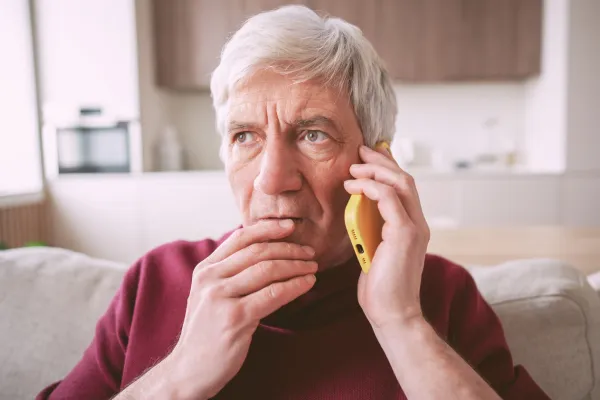
Holiday Scams & Dementia: How to Protect Your Loved One When the World Isn’t Playing Fair
Holiday Scams & Dementia: How to Protect Your Loved One When the World Isn’t Playing Fair
The holidays bring a mix of joy, nostalgia, and emotional weight for caregivers. But there’s another reality that rarely gets talked about and it is the one that can catch families off guard.
Holiday scams are rising, and people living with dementia (or even early cognitive changes) are being targeted more than ever.
And the part no one prepares caregivers for?
Scam susceptibility isn’t just a financial issue.
It can be a very early sign of cognitive decline, long before memory changes are obvious.
This article will help you understand the risks, the red flags, and how to gently protect your loved one during a season when the world is moving fast and not always playing fair.
Why Holiday Scams Target Older Adults
Scammers love the holiday season for three simple reasons:
People are emotional.
People spend money quickly.
People are more trusting when generosity is expected.
But there’s a deeper layer for families experiencing dementia.
A major study from Rush University Medical Center found something groundbreaking:
Older adults who were more susceptible to scams developed Alzheimer’s disease significantly earlier, even before obvious cognitive symptoms appeared.
In other words:
Financial vulnerability can be one of the first behavioral signs of brain changes.
This means caregiving isn’t just about supporting daily routines, it’s about monitoring decisions, judgment, and risk.
It’s neurological. The brain with dementia is broken.
The Most Common Holiday Scams Affecting Older Adults
Scammers use highly predictable emotional patterns “ urgency, fear, sympathy” to override judgment. Here are the biggest scams caregivers see during the holidays.
Fake Charity or “Crisis” Scams
These scams use heartbreaking stories to trigger generosity:
House fires
Sick children
Military families
Disaster relief
They often include emotional photos and personal-sounding messages.
For someone with cognitive changes, the emotional pull can outweigh logical filtering making them easy targets.
Delivery & Package Scams
Common messages include:
“Your package is delayed —> click here.”
“We couldn’t deliver your gift.”
“Update billing information to complete delivery.”
During holiday shopping, these appear legitimate.
But clicking leads to fraudulent websites designed to steal information.
Romance or “Celebrity” Scams
These are especially dangerous.
Scammers pretend to be:
A caring friend
A celebrity
A companion
Someone experiencing a crisis
They build emotional intimacy over weeks or months, then request money.
Cognitive decline often lowers skepticism and increases vulnerability to emotional manipulation.
Fraud by “Helpful People” Close to Home
Sometimes it’s not a stranger.
It can be:
A paid caregiver
A neighbor
A distant relative
Someone with access to mail or personal documents
These individuals may:
Open credit cards in the person’s name
Steal personal information
Forge checks
Take out loans
Caregivers often feel blindsided by this, and for good reason. No one told them this could happen.
Scam Susceptibility as an Early Sign of Cognitive Decline
Here’s what caregivers need to understand:
People don’t have to have dementia to fall for a scam.
But research shows that:
Reduced thoughts processing speed
Increased emotional reactivity
Difficulty tracking details
Trouble recognizing risk
…are early cognitive changes that make scams more believable.
A Johns Hopkins study of 81,000 older adults found that many people who eventually developed dementia began missing bill payments and making unusual financial decisions up to six years before diagnosis.
Financial changes are often the first sign families notice, long before memory loss.
The Caregiver Gap: Why This Feels So Heavy
You were prepared to:
Help with medications
Navigate behaviors
Monitor daily routines
You were not prepared to:
Detect scams
Monitor bank accounts
Investigate suspicious messages
Protect someone emotionally and financially
But this is the reality caregivers live in.
And it’s not because you’re doing anything wrong.
It’s because the system never taught families about this part of dementia.
How to Start the Conversation Gently
Talking about scams, safety, or unusual financial decisions can trigger embarrassment, fear, or defensiveness especially when your loved one has always managed their own affairs.
And this is where caregivers often get stuck:
You don’t want to shame them.
You don’t want to take away their independence.
And you don’t want to “make it a big deal” if you’re not even sure something is wrong.
But here’s the truth:
These conversations don’t have to be confrontational.
They just need to be compassionate and clear.
Here are two grounding principles that make the discussion easier:
1. Start with shared concern, not correction.
Instead of:
“You shouldn’t have sent money.”
Try:
“I noticed something that made me worried about how overwhelmed things can get this time of year. Can we look at it together?”
This keeps dignity intact and signals partnership, not judgment.
2. Normalize the complexity of scams — don’t personalize it.
Scammers today are sophisticated.
Even highly educated adults without cognitive changes fall for them.
Framing it as:
“These scams are getting harder to spot, even I’ve almost clicked on a few,”
reduces shame and opens the door to supportive conversation.
Keeping the dialogue gentle, respectful, and collaborative helps your loved one feel safe and helps you get a clearer picture of what’s happening beneath the surface.
How to Start the Conversation Gently
Scams are not just a financial problem.
They’re a caregiver problem.
They expose gaps in safety, communication, and support.
And you deserve to be ahead of these gaps — not scrambling after something goes wrong.
Downloading the Holiday Communication Toolkit is the easiest way to stay connected with:
new caregiver tools,
upcoming CareShift™ resources,
and a safer, more supported way of caregiving.
It keeps you in the know, without pressure, and without overwhelm.
